Permanent Exhibition
Selected Artworks
Our Permanent Exhibition is comprised of two sections: “Buddhist Art of Gandhara” and “The World of Reflection.” The Buddhist Art of Gandhara features illustrated biographies of the Buddha sculpted in the second and third centuries. They depict important milestones in the Buddha’s life including his previous life, birth, renunciation, enlightenment, teaching, and entering the final nirvana. The World of Reflection, the main part of the gallery, is a spatial representation of a temple hall with the statue of Seated Mahāvairocana (Dainichi Nyorai), presumably by master sculptor Unkei early in the Kamakura period and designated as Important Cultural Property. Also on regular display are Seated Nyorin Kannon (Cintāmaṇicakra Avalokiteśvara), Seated Acalanātha (Fudo Myo-o) and Nidoji (Kiṃkara, Ceṭaka), all associated with Daigoji Temple in Kyoto. Specially on view will be the Mandala of the Two Realms produced based on the original mandala brought to Japan from China by Master Kukai, the founder of Shingon Esoteric Buddhism, in the 9th century. The intricate details of buddhas and deities in vibrant colors and kirikane, a technique that employs gold leaf cut into thin strips to form patterns, are quite stunning. Standing before this exceptional mandala over two meters high can be an immersive and inspiring experience.


Seated
Mahāvairocana
(Dainichi Nyorai)
- Kamakura period
ca. Kenkyu 4 (1193)
Important Cultural Property - Mahāvairocana of the Diamond Realm attributed to Unkei.


Seated
Cintāmaṇicakra
Avalokiteśvara
(Nyoirin Kannon)
- Heian period, 10th century
- Unlike the typical royal ease position, this bodhisattva takes a rare half-lotus seated posture of having the right leg folded and the left leg pendant.


Seated
Acalanātha
(Fudo Myo-o)
- Heian period, 12th century
- Formerly the principal image of Fumon-in, a subtemple of Daigoji in Kyoto.


Standing
Nidoji
(Kiṃkara, Ceṭaka)
- Heian period, 11th–12th century
- Kiṃkara and Ceṭaka are a pair of acolytes accompanying Acalanātha. They were created separately from the Museum’s Acalanātha image.


Seated Buddha in Dharmacakra Mudra
- ca. 3rd century
- Seated cross-legged on a lotus pedestal, the Buddha has both hands raised in front of his chest forming the dharmacakra or preaching mudra.
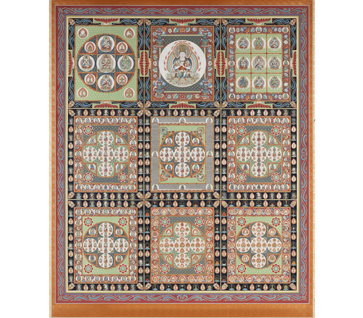
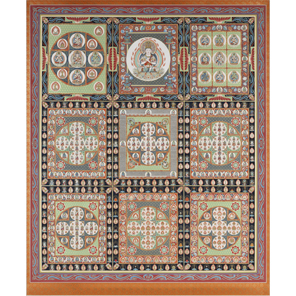
The Diamond
Realm Mandala
- Reiwa 6 (2024)
- The Diamond Realm Mandala divides the process leading to the attainment of supreme truth into nine stages with Mahāvairocana, the Cosmic Buddha, in the center and depicts various deities of tathāgatas and bodhisattvas. The Womb Realm Mandala is also
on view.